Broken fist
Broken Fist
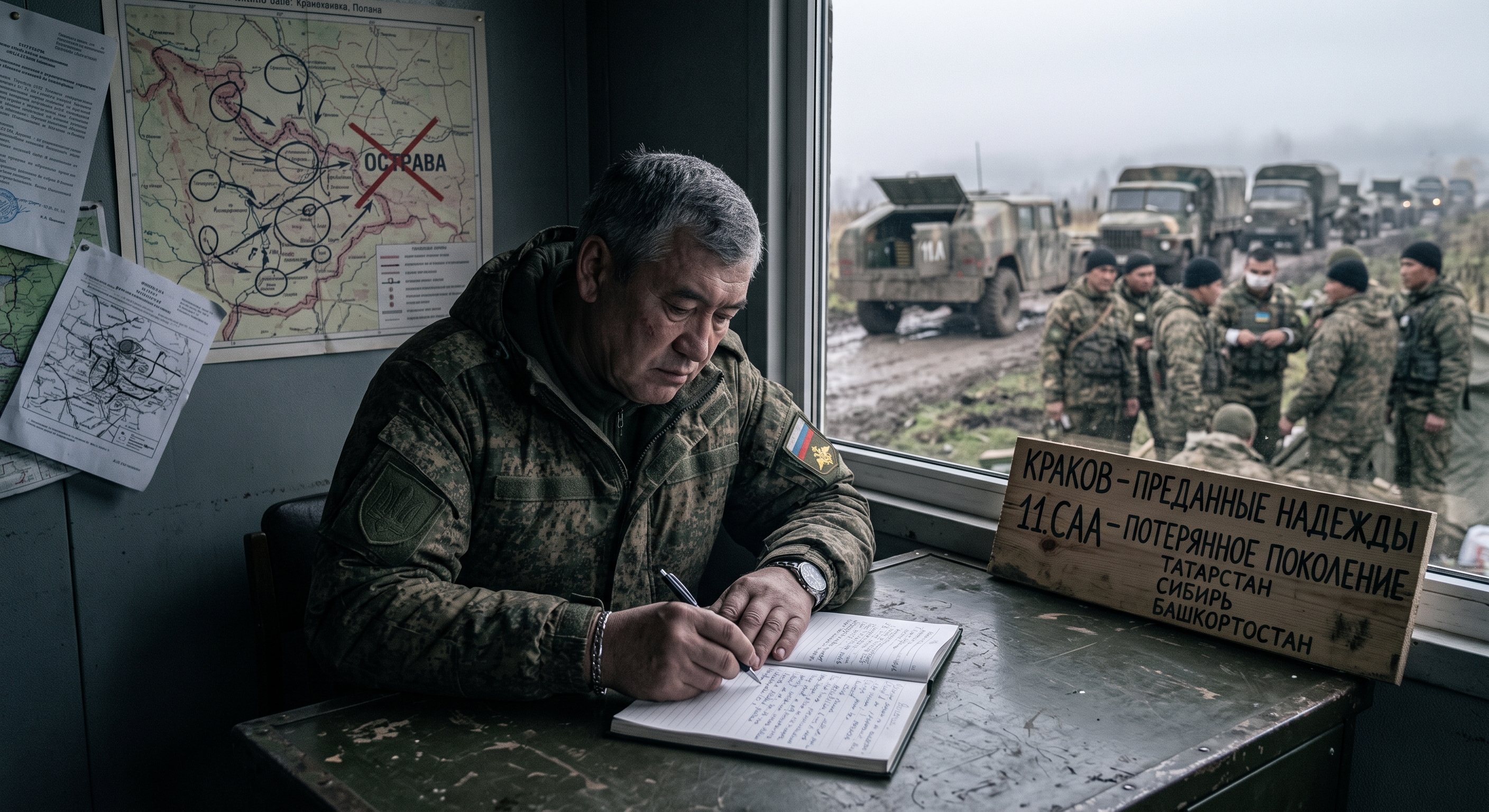
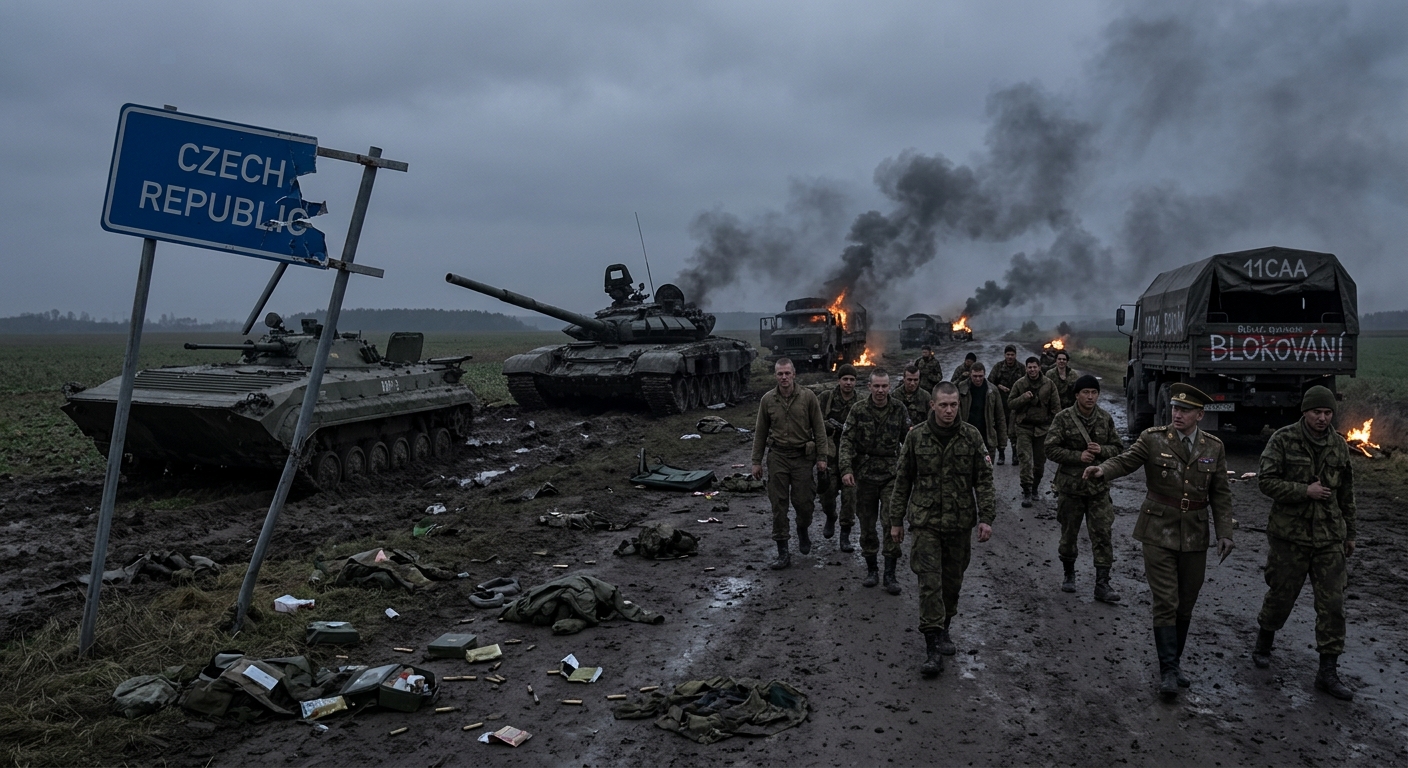
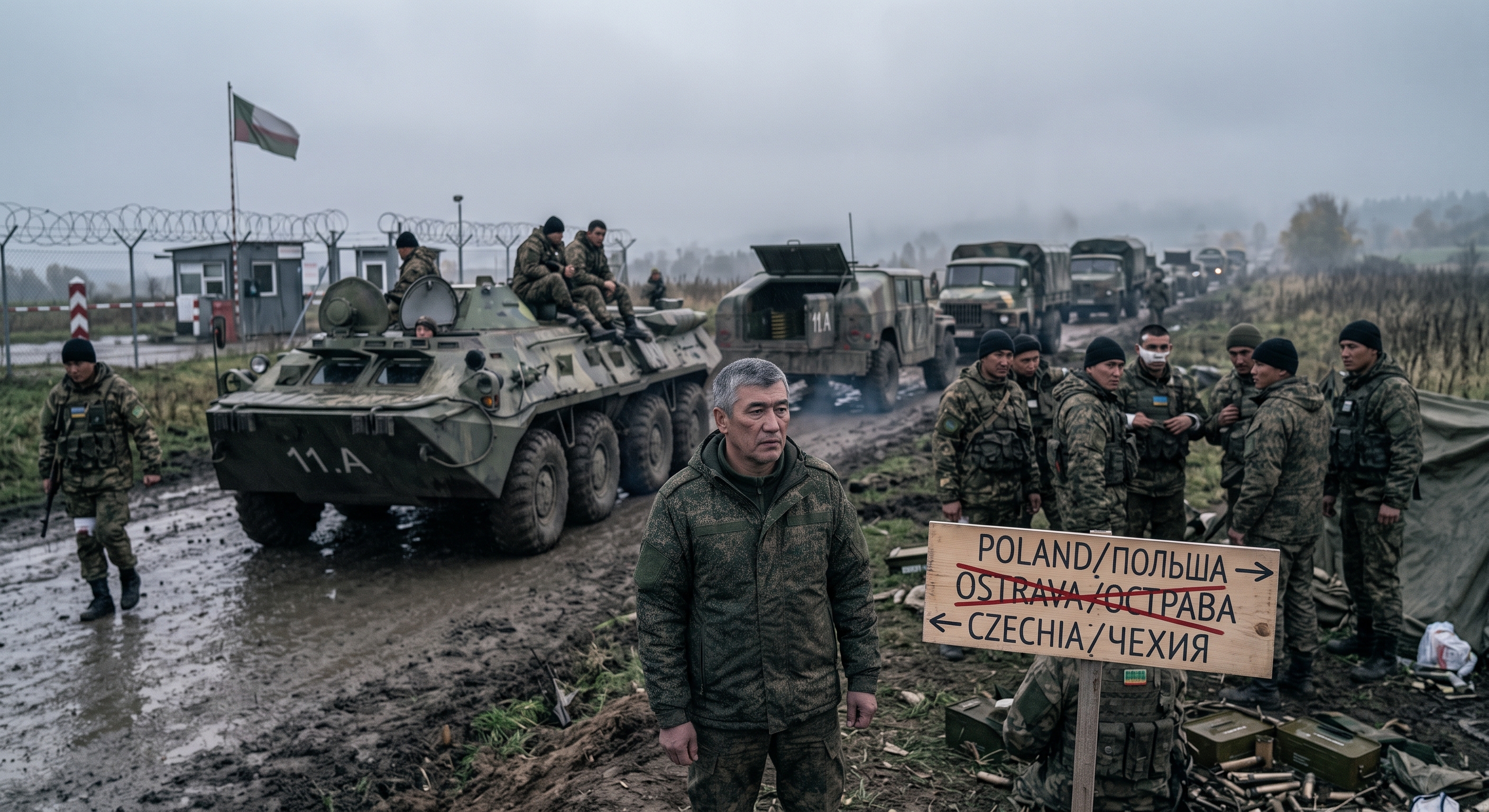
We can see the industrial chimneys of Ostrava rising against the gray skyline, but we will not reach them. The order has come down: the advance of the 11th Combined Arms Army has ground to a dead halt, and the vanguard units are already breaking contact, turning their armor around, and beginning a ragged, bitter retreat back into Poland.
I warned about this weeks ago. Any fool can draw grease-pencil arrows across a map toward the Czech border, but wars are won with diesel, hard tack, and cold steel. Right now, our men have none of it. The supply chains haven’t just lagged behind—they have completely snapped. Convoys sit stranded along cratered Polish backroads without fuel, while up here in the freezing treelines, combat battalions are down to chewing dry rations meant for three days ago. Soldiers are going hungry in the mud, scavenging whatever scrap of canned meat they can barter for, while the autumn rains turn our foxholes into open graves. An army marches on its stomach, and an army that is starved of bread and 5.45 ammunition cannot take a fortified city defended by entrenched Czechs.
Worse than the empty bellies is the rot consuming the ranks from within. The cohesion of the 11th Army is shattered, torn apart along the very seams the political officers in the Capital swore never existed. The ethnic and socioeconomic fractures have torn wide open under the strain of continuous artillery pounding and humiliating retreat.
The lads from the periphery—the Dagestanis, the Bashkirs, the Tuwans, and my fellow Tatars—have finally had enough. They look around and see that every single hard push, every doomed assault on a concrete strongpoint, was spearheaded by units scraped together from poor, forgotten villages. Meanwhile, the sons of the wealthy clans in the Capital somehow ended up safely parked in logistical depots fifty kilometers behind the lines, or secured medical exemptions altogether. When rations run out, old resentments flare with deadly heat. Fistfights and armed standoffs over bread and blankets are breaking out between platoons. The toxic cancer of dedovshchina has metastasized into open, bitter tribalism. When men stop trusting the brother on their left flank because of his dialect or where his mother lives, an army stops being an army; it turns into an armed mob waiting for disaster.
I look at these young soldiers—broken, hollow-eyed, shivering, and cursing the high command—and my heart turns to ash. I remember the Soviet uniform with pride because, despite all its flaws, we were taught that every son of every republic stood equal in the face of the enemy. What I am looking at today is the grim consequence of systemic contempt. The apparatus treated the working class and the minority nations like cheap, disposable grease to lubricate the treads of its ambitions, and now the machinery has seized up completely.
We are pulling back. Not because the individual soldier lacked courage, but because the foundation back home was rotted through. You cannot build a righteous victory on the starved bellies of the poor while the rich stay warm. Mark my words: if the commanders back in the center do not answer for this logistical catastrophe and the open betrayal of our frontline boys, the road back to Poland will not be the end of our troubles—it will only be the beginning.